
Clarifying the roles of facilitator and observer in user interviews for better research
Grasp the nuances between facilitator and observer roles in user interviews to sharpen your research and gather more impactful insights
USER RESEARCH
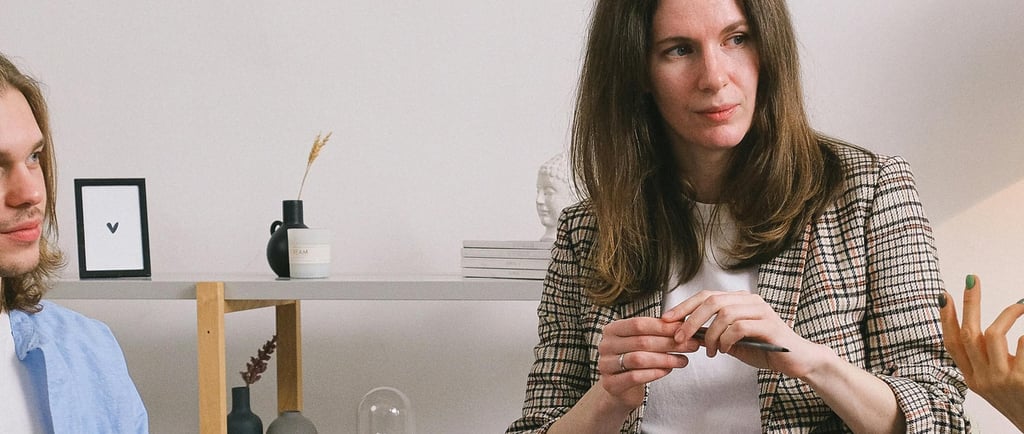
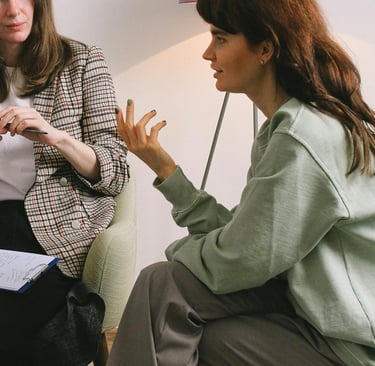
To understand people's needs, goals, and pain points, user interviews have to be conducted and are thus quite important. However, even the best-planned sessions can fall flat or become confusing if your team isn't clear on who handles what. This can create awkward situations and cause participants to feel overwhelmed or team members to duplicate efforts.
The research facilitator and the interview observer are two of the most common and often misunderstood roles. Both are essential, but they serve very different purposes. This article will discuss what each role entails and its key differences.
What does a research facilitator do?
To put it simply, a facilitator is the person who leads the user interview. They are the participant's primary point of contact and are tasked with creating a calm, focused environment that encourages open sharing. Their key responsibilities include:
Introducing the participant and going through the plan
Using a set of questions to help lead the conversation
Picking up on what the participant mentions to ask follow-up questions
Controlling session durations and ensuring it remains on track
An ideal facilitator should have the following skills:
Empathy: Being empathetic during interviews allows you to help participants feel at ease, comfortable and assured throughout the session.
Active listening: With this ability, one can easily notice minor signs and pick up on subtle cues or changes in participant behaviour.
Adaptability: Easily adjusting the flow of conversation without losing the purpose of the session.
Pro tip: A good facilitator always maintains a neutral stance, does not offer their views, and avoids questions that suggest a "right" answer. A neutral tone encourages straightforward, open responses.
What is the role of an interview observer?
On the other hand, the observer watches and hears everything closely to make sure important actions, reactions, and moments are taken note of. While the facilitator conducts the session, the observer helps from the background. Their key responsibilities include:
Recording all the main points brought up during the session
Watching for signs like hesitation or a change in tone
Not communicating directly with the participant, no matter what they might observe during the session
Participating in the debrief session after the interview and offering a different perspective
Pro tip: A good observer should note significant expressions, emotional reactions, or common patterns. These notes usually become especially helpful during the synthesis process or when reflecting on the interview later.
Why clear role division matters
You might wonder, "Can't we both just ask questions?" Technically, yes, you can, but it's not ideal. When the lines between facilitator and observer blur, it can affect the quality of your research in subtle but important ways. When Roles Are Defined:
Participant's confusion is reduced. One clear point of contact is less intimidating and helps participants stay relaxed
The session remains focused. Everyone knows their job, and no one is multitasking or stepping on the other's toes.
You capture better insight. Observers catch what facilitators might overlook.
You convey professionalism. Participants easily trust teams that feel organised and professional.
Best practices for user-centred design teams
Here’s how you can approach a user interview with roles clearly defined correctly:
Prep together: Have a short collaboration session before the interview to discuss main topics and key responsibilities. This will prevent mixed signals and confusion during the interview.
Arrange easy communication: While listening during the session, the observer may need to talk with the facilitator. In such cases, use scribbled notes, shared documents, or a chat service instead of disrupting the discussion.
Debrief as a pair post-interview: Ensure you meet as a team right after each interview to discuss the points discovered. What stood out to you? Which questions were avoided? What made people confused? At this stage, the observer's insights shine.
Change roles as part of research: Participating in other parts of the research process is a good idea for building a great research culture. Let team members be either observers or facilitators; this approach helps develop all team members and boosts understanding for each other’s jobs.
User interviews and research become more productive and seamless when roles are intentionally clarified. As a professional researcher or part of a product team stepping into user research, understanding and applying the difference between a facilitator and an observer is foundational. It improves the experience for participants and generally speeds up your team's ability to learn, align, and act with less confusion during user interview sessions.
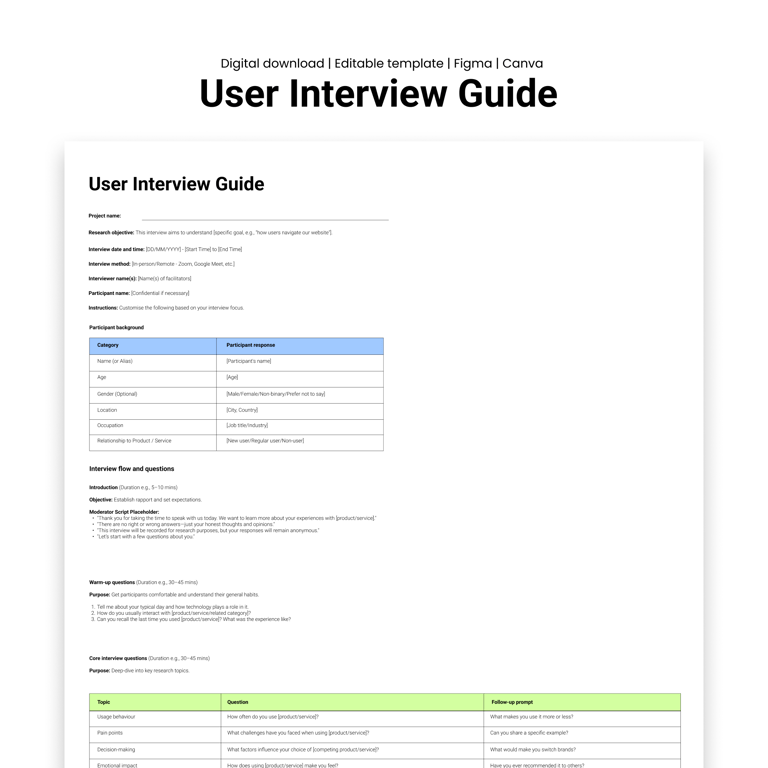
If you want to improve your research process! Veilworx offers an easy-to-use user interview guide.
Design resources that deliver results
Copyright © Veilworx Ltd 2024. All rights reserved.
Registered in England and Wales.
Company number: 15318142

Contact
Email: contact@veilworx.com
Address:
Office 9944, 182-184 High Street North East Ham London
E6 2JA
Business hours:
Monday to Saturday: 10am to 6pm
Sun: Closed